



The best debate topics for high school students have two real sides, enough evidence to argue either one, and some link to students’ own lives. Below are 30 balanced motions across six themes, each with a quick note on where the clash lies, followed by a short guide to debate formats and what judges actually reward.
What makes a good debate topic?
A good topic is one where a smart, fair-minded person could land on either side. If one team has all the facts, you’ve got a lecture. Look for motions that are two-sided, researchable, narrow enough to argue in a few minutes and worded neutrally, so the motion itself doesn’t hand anyone the win.
Most competitions phrase topics as motions. “This house would” (THW) proposes a policy, “This house believes” (THB) tests a statement, and “This house regrets” (THR) asks whether the world would be better if something had never happened. US tournaments often say “Resolved:” instead, but the idea is the same.
Debate topics for high school students, by theme
Education and school life
School topics are the easiest place to start, because every student is already an expert witness. The challenge is moving past personal stories to evidence about learning and fairness.
- This house would ban phones during the school day. Concentration and bullying on one side, safety, digital skills and enforcement on the other.
- This house would replace final exams with continuous assessment. Is one high-stakes day a fair test, or does year-round grading just spread the pressure?
- This house would abolish homework for students under 16. Rest and family time against practice and independent study habits.
- This house would make personal finance a required subject. Practical life skills against an already crowded timetable.
- This house would start the school day at 10am. Teenage sleep against parents’ working hours, transport and after-school commitments.
Technology and AI
Tech motions reward students who follow the news, but the strongest cases rest on principles: privacy, free expression and who’s responsible when things go wrong.
- This house would allow students to use AI tools for homework. Preparing for the real world, or skipping the thinking homework is meant to build?
- This house would ban social media accounts for under-16s. Protecting wellbeing against young people’s rights, and whether a ban can be enforced at all.
- This house believes AI will create more jobs than it destroys. Lessons from past technologies against the speed and scale of this one.
- This house would require labels on all AI-generated images and video. Trust and misinformation against workability, since labels can be stripped or faked.
- This house regrets the rise of short-form video. Attention spans and depth against access to information and new creative careers.
Ethics and philosophy
Ethics debates run on principles more than data, so they suit students drawn to philosophy, law or medicine. Some touch on sensitive ground, so check them against your group first.
- This house believes lying to protect someone’s feelings is justified. Kindness against trust. Everyone has a real example, which makes it a great first ethics debate.
- This house believes zoos do more harm than good. Conservation and education against animal welfare and life in captivity.
- This house would allow parents to edit their children’s genes to prevent disease. Ending suffering against consent, inequality and where the line stops.
- This house believes it is wrong to judge historical figures by today’s values. Historical context against moral standards that don’t change with time.
- This house believes people have a moral duty to give to charity. Obligation against personal freedom, and whether charity lets governments off the hook.
Environment and science
Both sides usually agree on the goal here. The real argument is about cost, fairness and who should act first, which makes these good practice in weighing evidence.
- This house believes nuclear power is the best answer to climate change. Reliable low-carbon energy against cost, build times and waste storage.
- This house would ban private cars from city centres. Cleaner air and safer streets against access for disabled people, deliveries and local shops.
- This house believes space exploration is worth the cost. Discovery and new technology against urgent problems on Earth.
- This house believes rich countries should pay poorer countries for climate damage. Historical responsibility against how to measure blame and spend the money well.
- This house would bring back extinct species if science allowed it. Restoring lost wildlife against playing god and diverting money from species still alive.
Society, politics and economics
Political motions feel closest to the real thing. Keep them balanced by focusing on the policy, not the parties.
- This house would lower the voting age to 16. A stake in the future against questions of maturity and turnout.
- This house would make voting compulsory. A more representative result against the freedom not to vote.
- This house would introduce a universal basic income. Security and the freedom to retrain against cost and the incentive to work.
- This house believes a year of national service would benefit young people. Shared purpose and new skills against a lost year and compulsion.
- This house would introduce a four-day working week. Wellbeing and productivity against the jobs it simply can’t work for, from hospitals to schools.
Fun and light debate topics
These make good warm-ups for first-time debaters. The stakes are low, so students can focus on structure and delivery instead of research.
- This house believes cats make better pets than dogs.
- This house believes the book is always better than the film.
- This house believes video games are art.
- This house would rather travel to the past than the future.
- This house believes pineapple belongs on pizza.
How to debate: formats and structure
Every format has its own rules, but most share the same skeleton: two sides, set speaking times and a judge who decides which side was more persuasive. The three you’re most likely to meet are:
- Public Forum, popular in the US. Two-on-two, on current-events resolutions that change through the season, according to the National Speech & Debate Association. Speeches run two to four minutes, with “crossfire” rounds where debaters question each other.
- Mace style, used in UK schools. In the English-Speaking Union’s Schools’ Mace, two teams of three give seven-minute speeches, then the audience joins a floor debate before each side sums up.
- British Parliamentary, common in university debating. Four teams of two, so each team has to add something new to its side.
Whatever the format, a strong speech follows the same shape:
- Frame the debate. Define any unclear terms and say in one line what your side will prove.
- Signpost. “I’ll make two points: cost and fairness.” Judges can’t reward what they can’t follow.
- Build each argument. Claim, reason, evidence, then impact: why it matters.
- Rebut. Name their argument, explain the flaw and say what that means for the debate.
- Weigh. Close by explaining why your best point outweighs theirs.
How to win a debate
You win by being more persuasive in the judge’s eyes, not by talking loudest or longest. The ESU’s judging guide says judges assess “the overall persuasive nature of speeches rather than any single element in isolation”, and scores speakers on organisation, listening, delivery and reasoning. In practice, that means:
- Answer what they actually said. Judges notice when you respond to the speech you expected instead of the one you heard.
- Back every claim. An example, statistic or analogy turns an opinion into an argument.
- Prep the other side first. If you can’t state their best argument in a sentence, you’re not ready to beat it.
- Weigh, don’t just list. Both teams can be right about different things. The winner explains why their point matters more.
- Use points of information sparingly. One sharp question can knock a speaker off balance. Five in a row looks like heckling, and the ESU deducts marks for it.
- Slow down for your best line. Varying pace and tone tells the judge what to remember.
How debating helps with university interviews
Debating trains the skills interviews test: thinking on your feet, defending a view under pressure and changing your mind when the evidence is better. Many Oxford and Cambridge interviews feel a lot like a friendly debate.
That’s why it pays to build university readiness over your summer breaks, through debating, discussion and speaking up in new settings, long before interview season arrives. It helps with nerves too, which matters, because plenty of strong students know their subject but freeze when they have to say it out loud.
The research backs this up. A study of Chicago public schools found that students in a policy debate programme were 3.1 times more likely to graduate from high school than those who didn’t debate.
Debating at the Oxford Union with OSP
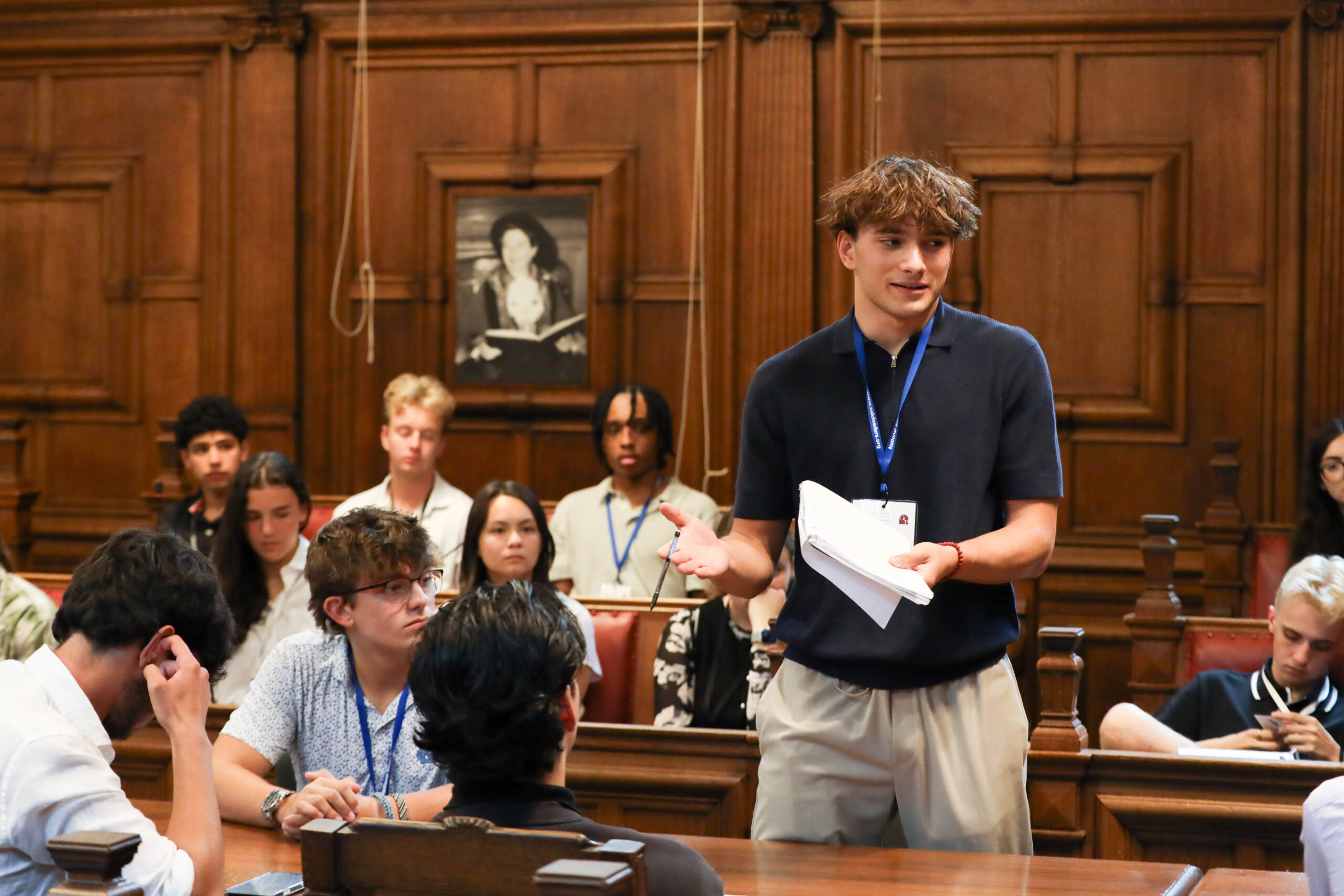
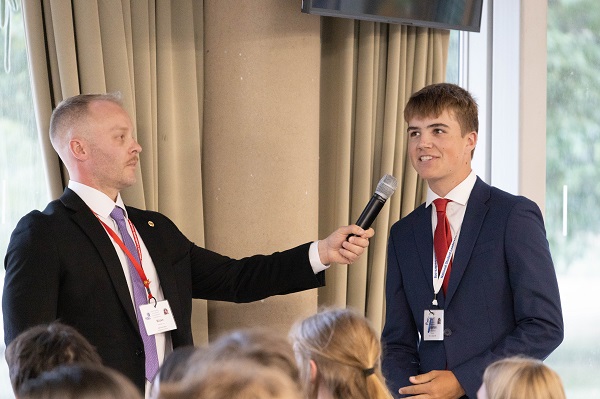
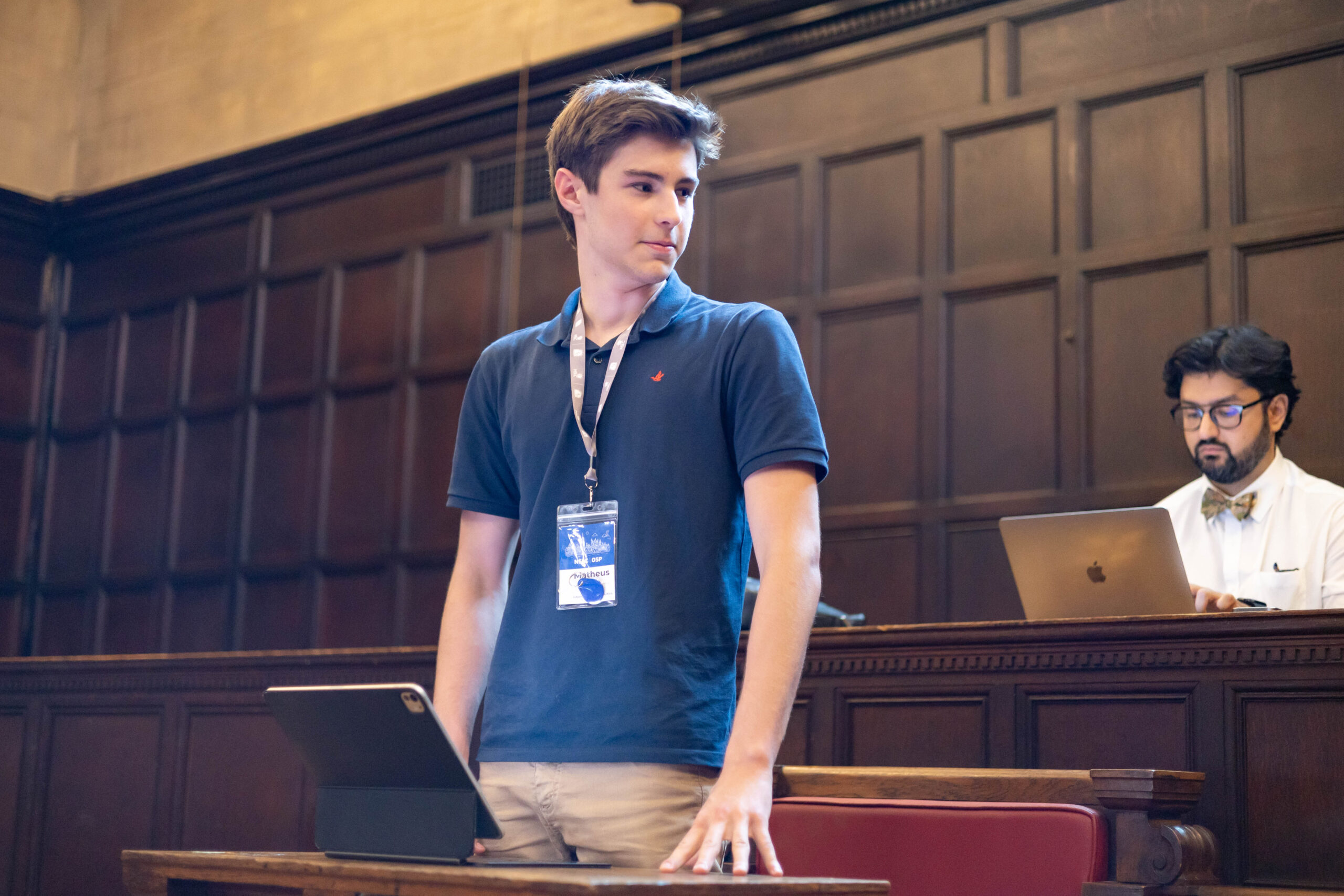
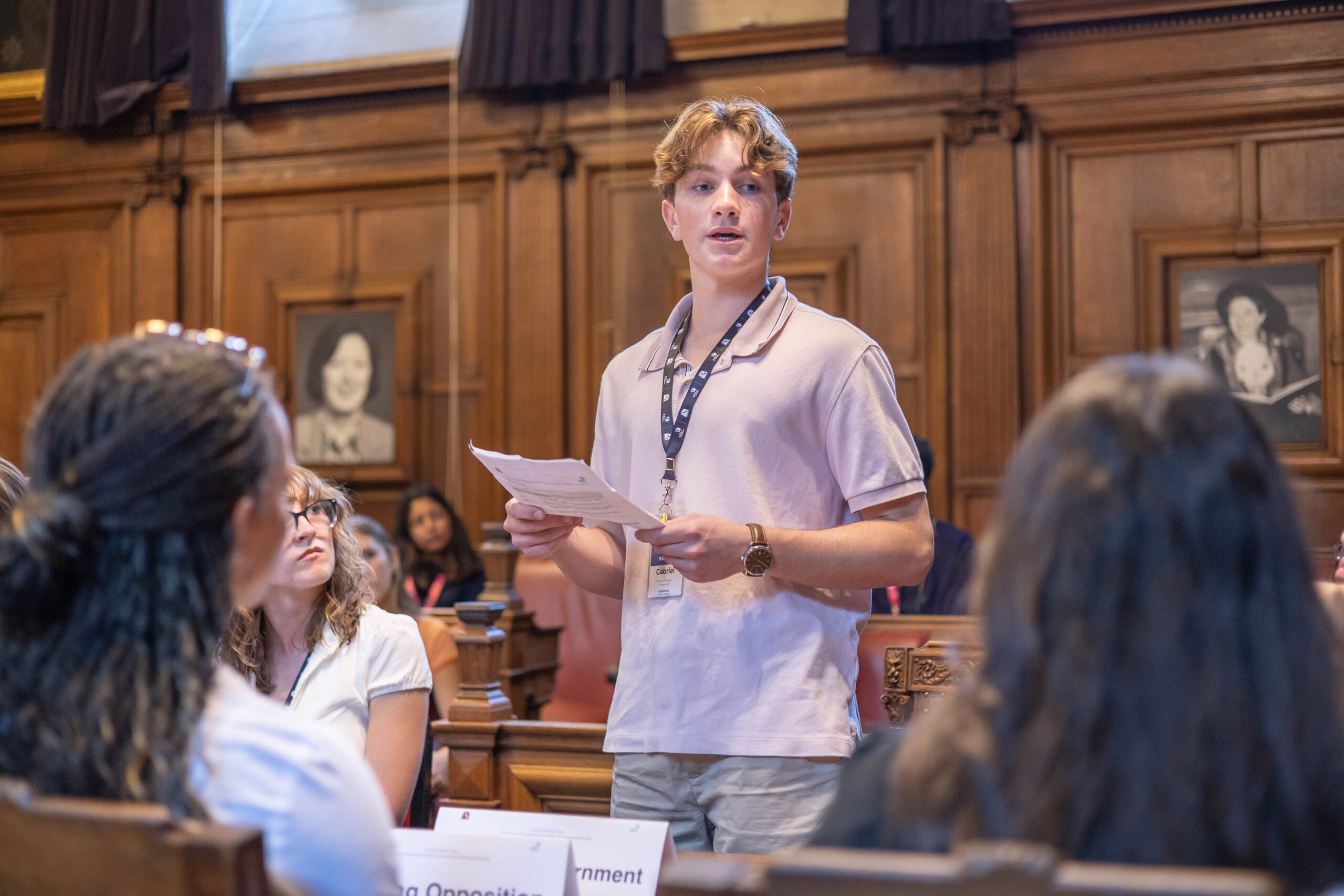
At the Oxford Scholars Programme, scholars debate at the Oxford Union, founded in 1823 and the oldest continuously running student debating society in the world.
Teams prepare a motion with experienced debate coaches, debate it in real time and get focused feedback on their arguments and delivery.
With students aged 14 to 18 from more than 40 nationalities, you’ll be arguing against assumptions nothing like your own, which is far better practice than debating classmates. Read more about debating at the Oxford Union with OSP.
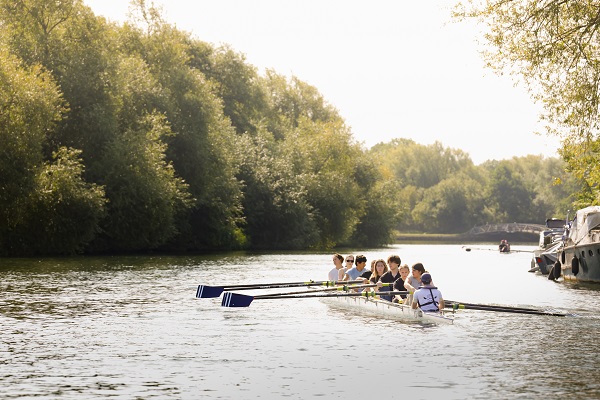
To see what else fills the two weeks, from academic courses to rowing and punting, learn more about the Oxford Scholars Programme, which runs from 1 to 14 August 2027.
