

OSP Scholars is selective, but not in the test-score sense. Each summer the program takes a small cohort of scholars aged 14 to 18, and every applicant is judged on a personal statement, a school transcript and, if shortlisted, an interview.
OSP doesn’t publish an official OSP Scholars acceptance rate, so treat any percentage you find on third-party sites with care.
What we can tell you is that many more students apply each year than there are places, so it is competitive.
Below is the full admissions picture for 2027: what the application involves, how long decisions take, what happens once you’re accepted, what it costs, how financial aid works and how to give yourself the best chance.
What is the OSP Scholars acceptance rate?
There’s no official published rate. What OSP does share is the shape of its intake: one two-week session in Oxford, from 1 to 14 August 2027, with a limited number of places with scholars from more than 40 nationalities.
Those limited places are the main reason admission is competitive. Classes stay small, tutors get to know each scholar, and each course needs a good mix of interests and backgrounds.
Many summer programs don’t publish acceptance rates, so figures you see online are often estimates. It’s worth checking where a percentage came from before reading too much into it.
Selective summer programs: where does OSP fit?
Selective summer programs for high schoolers usually screen in one of two ways:
- Grades and scores first. Many university-run programs set GPA or test-score cut-offs and admit mainly on numbers.
- The whole application. Others read your writing, look at your school record and talk to you before deciding.
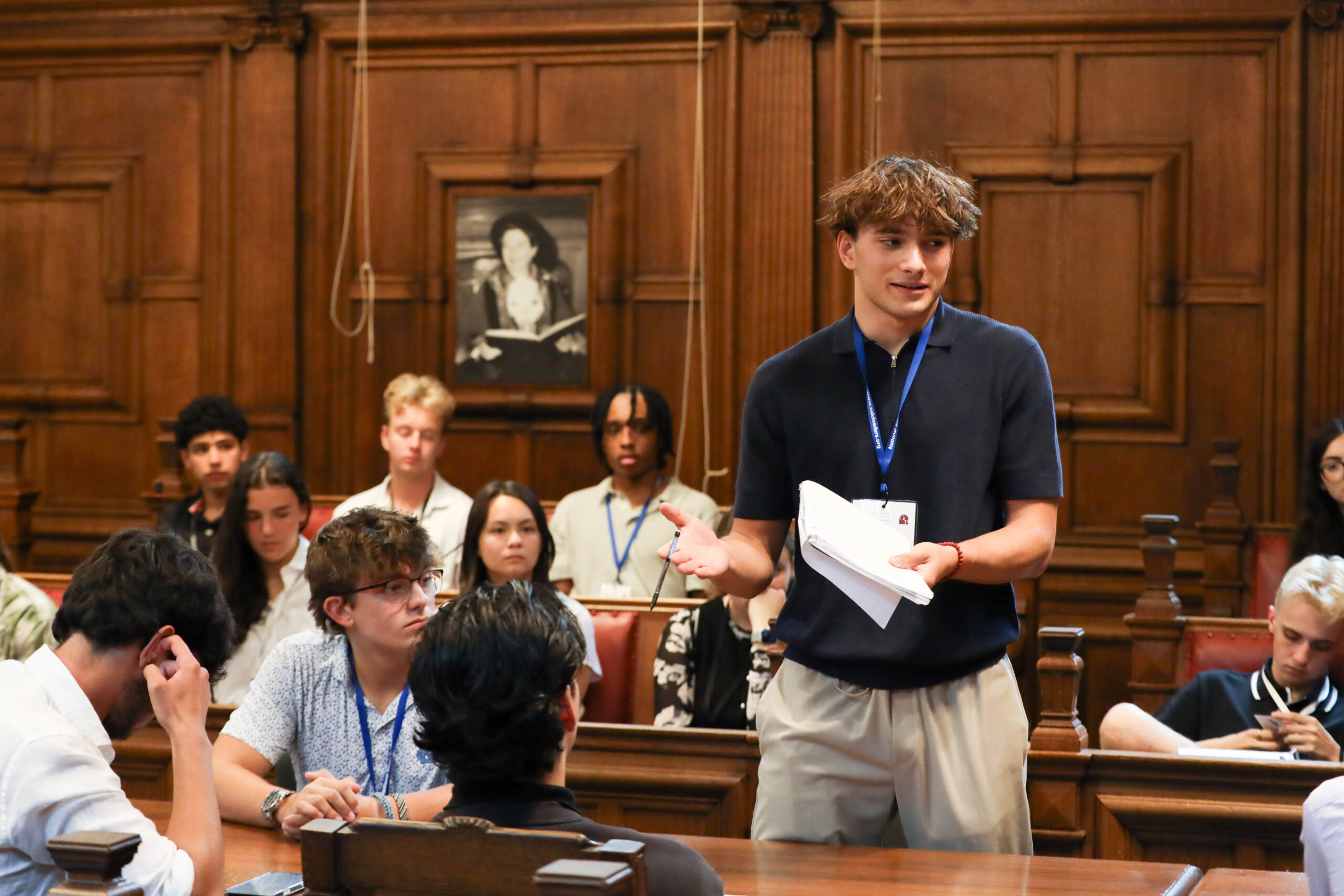
OSP is in the second group. The admissions team looks at your transcript, what you write in your personal statement and, for shortlisted students, how you come across in conversation. Strong grades help. So does showing you know why you want to spend two weeks on your chosen subject.
Is OSP Scholars legit?
Yes, and you can check it yourself. OSP, formerly the Oxford Scholars Programme, is accredited by the British Council for teaching English in the UK and by the British Accreditation Council, and its Level 3 qualification is regulated by NCFE. The British Council’s August 2025 inspection report is public, and the full list is on the OSP accreditations page.
One point worth being clear on. OSP hires University of Oxford facilities and college accommodation, and many of its tutors are Oxford-affiliated, but OSP is independent and isn’t part of the University.
What do you need to apply to OSP?
The OSP application runs in four steps.
- Online form. Your name, date of birth, school, city and country. It takes about five minutes.
- Personal statement and school transcript. These show what you want from the program and how you’re getting on at school.
- Interview. Shortlisted applicants are invited to talk with the admissions team.
- Offer. If you’re successful, you’ll receive an offer by email with payment instructions. The deposit and payment plan are covered further down.
Who can apply?
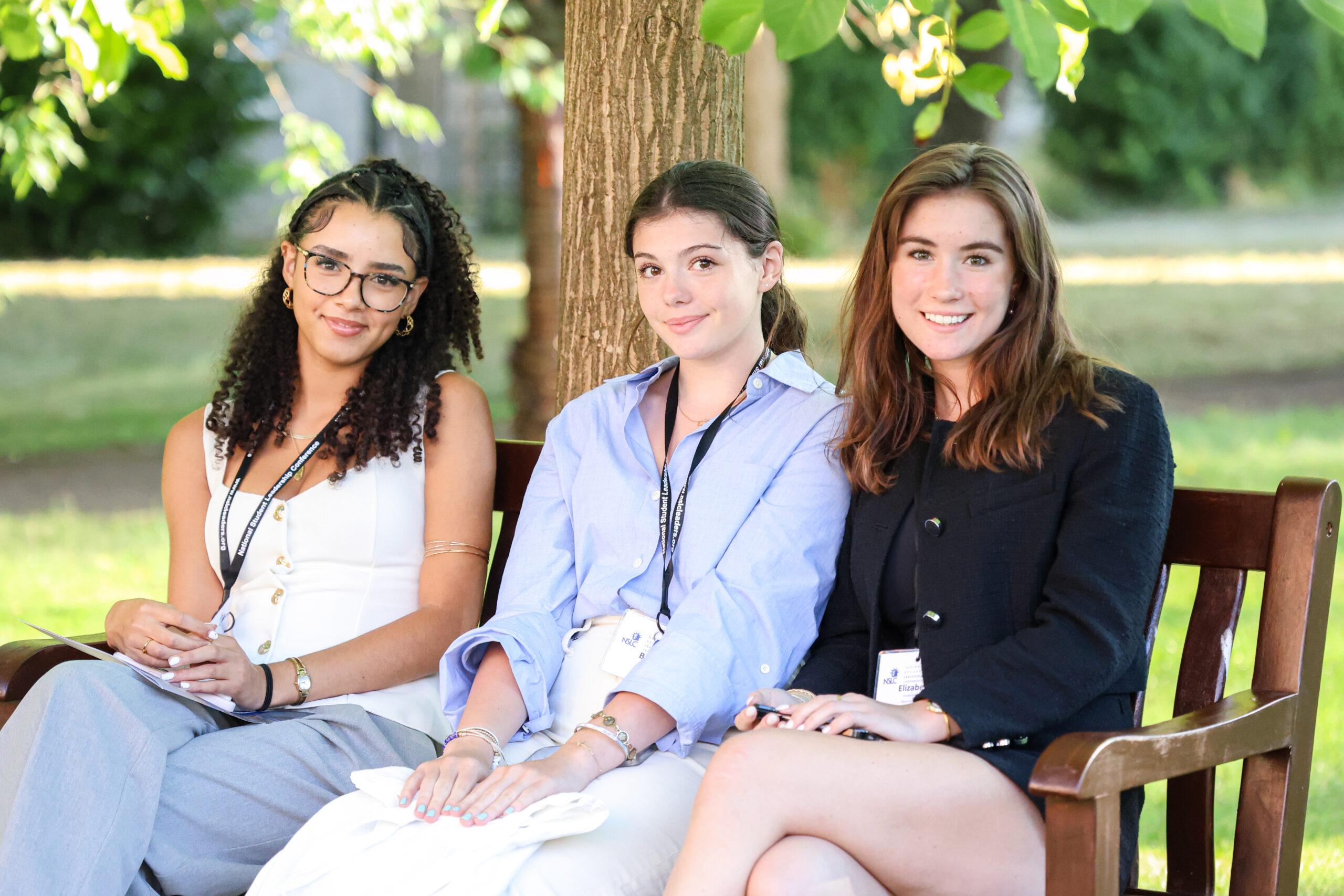
Students aged 14 to 18 from any country. There’s no citizenship requirement, and the cohort usually includes scholars from more than 40 nationalities. You don’t need to be planning to apply to Oxford either. OSP is built for students heading to universities in the UK, the US, Canada and elsewhere.
Depending on your passport, you may need an electronic travel authorisation (ETA) or a Standard Visitor visa to come to the UK. OSP can issue a visa invitation letter once your deposit is paid, and there’s more in the visa guidance for OSP scholars.
When is OSP's application deadline?
There isn’t a single deadline. Applications are reviewed on a rolling basis, and offers go out until the cohort is full.
In practice, that makes timing part of your strategy. The monthly instalment plan runs until 4 April 2027, so the earlier you accept an offer, the more months you have to spread the cost. Applying in winter also leaves time to sort out a visa or ETA without a last-minute rush.
How long does it take to hear back?
Usually about a week after you apply, you’ll hear whether you’ve been shortlisted. If you’re invited to interview, the final decision typically follows about a week after that. From form to answer, plan on two to three weeks.
Tips to strengthen your OSP application
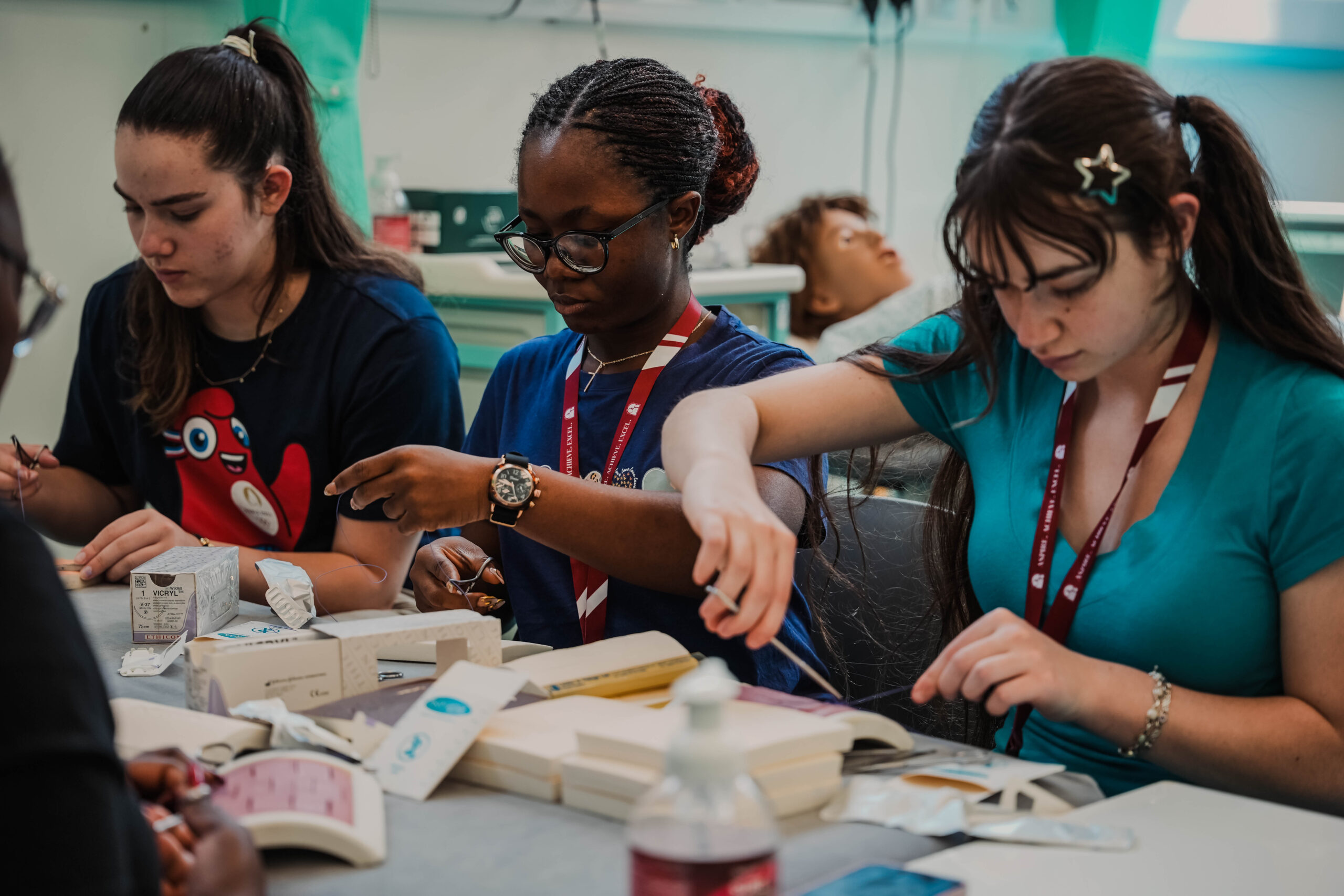
- Choose your course before you write. OSP runs six courses: Medicine & Clinical Skills, Law & Justice, Business & Finance, Engineering & Robotics, English Writing & Communication, and Psychology. A statement aimed at one of them, such as the Medicine & Clinical Skills course, reads far better than a general one.
- Show something you’ve already done. A book that changed your mind, a science fair project, a mock trial, a small business you ran with a friend. One real example says more than a paragraph of adjectives.
- Explain why Oxford, and why now. Two weeks of university-style teaching, living in college accommodation with students from dozens of countries, is a specific experience. Say what you hope to get from it.
- Ask for your transcript early. Schools can take a while to send records, especially near the holidays. Request it from your counsellor as soon as you start the form.
- Treat the interview as a conversation. Be ready to talk about your subject, a recent idea that caught your interest and why you applied. Feeling nervous is normal, and nobody expects a polished performance. Be yourself, think out loud and take a moment before answering if you need one.
- Apply early. With rolling admissions and limited places, an early, well-prepared application has more places to compete for.
What happens after you're accepted?
An offer isn’t a place until you confirm it. Here’s what comes next.
- Pay the deposit. A 20% deposit secures your place. Until it’s paid, the place can still go to someone else.
- Spread the balance if you want to. The remaining 80% can be paid in monthly instalments through Flywire, taken on the 4th of each month and finishing by 4 April 2027.
- Sort out travel documents. Once your deposit is in, OSP can issue a visa invitation letter. Check early whether you need an ETA or a visitor visa, as processing times vary.
- Arrive in Oxford. Check-in is on 1 August 2027 and check-out on 14 August.
How much does OSP cost?
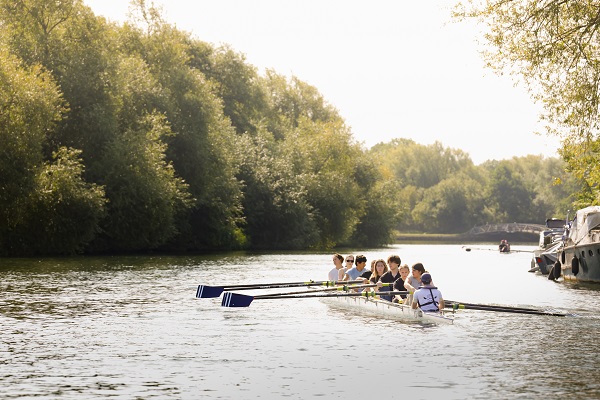
The 2027 OSP Experience fee is £7,499 for the two weeks. It covers Oxford college accommodation, most meals, daily academic sessions and masterclasses, the capstone project, rowing, punting, a trip to Blenheim Palace and a London day trip. International flights, visa fees and travel insurance aren’t included.
You can also add extras to your booking:
- Career Pathways (£999): a hands-on track exploring the profession behind your course, available for Medicine, Law, Engineering and Business.
- 8 UCAS points (£499): an accredited qualification earned during the two weeks.
- Flying experience (£350): a flight over Oxford, taken in place of rowing.
- Airport transfers (from £50 each way): a supervised Heathrow shuttle or a private taxi, plus an unaccompanied minor service for younger travellers.
Full details are on the programme add-ons and fees and payment plan pages.
Ready to apply?
If OSP sounds like the right fit, the first step takes about five minutes. Start your OSP application and the admissions team will be in touch about next steps.