






Are Oxford summer courses worth it? They can be, if the programme gives your child university-style teaching in small groups, proper supervision and serious academic work in Oxford that they can point to afterwards.
This guide covers what to check before you commit, from the academic programme and supervision to what a typical day involves.
What is an Oxford summer school?
An Oxford summer school is a short residential course held in the city of Oxford for students who haven’t started university yet. Most run in July and August, when undergraduates have gone home and visiting students can live and study in the colleges.
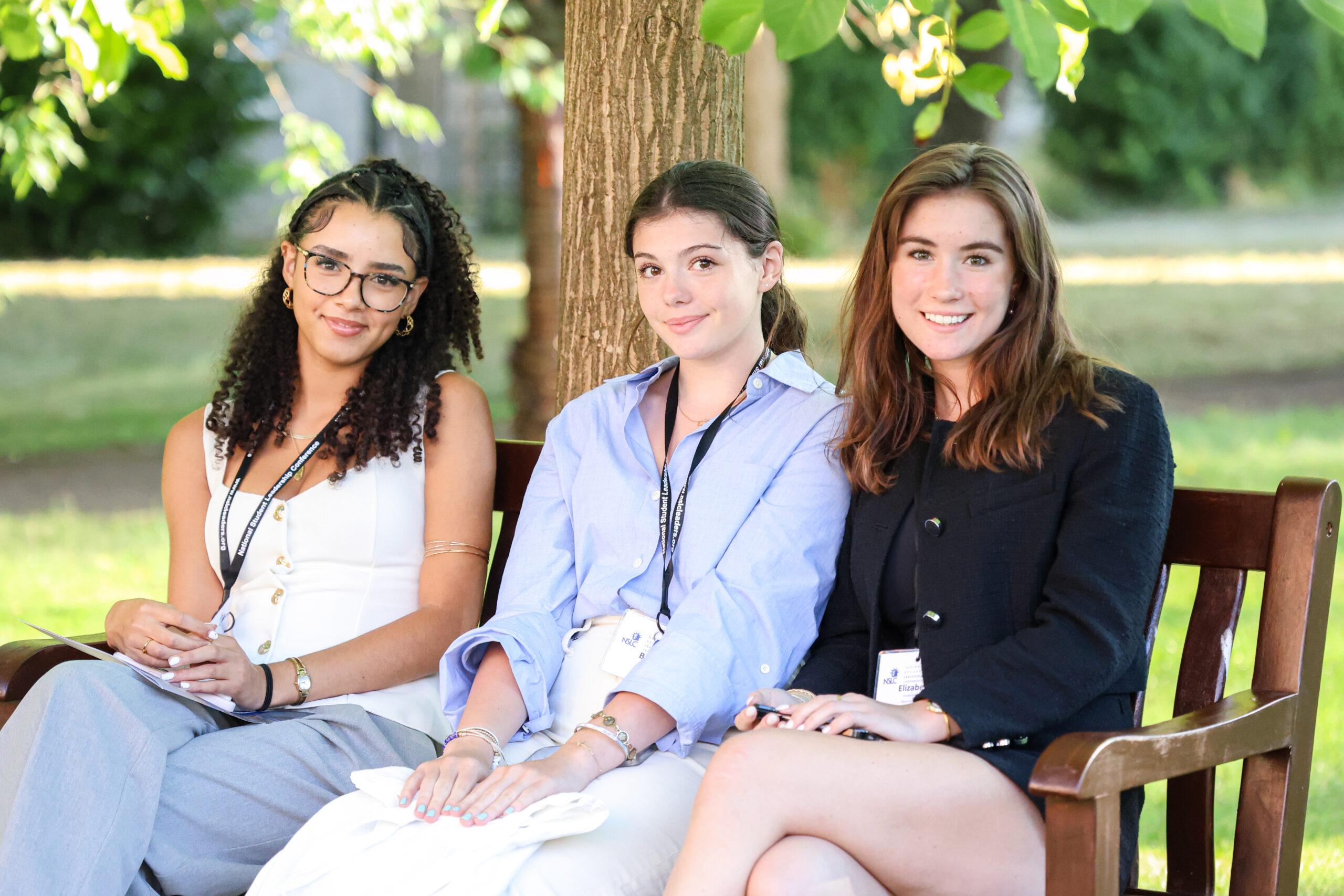
The best ones give students a real taste of how Oxford teaches: small seminar groups, tutors who know their subject inside out and the expectation that you’ll defend your ideas, not just take notes. Around that sits college life, from meals in a dining hall to evenings with students from dozens of countries.
When you compare programmes, ask:
- who teaches, and what they do the rest of the year
- how big the seminar groups are
- what your child will have produced by the end, such as a project, presentation or debate
Are Oxford summer courses worth it?
That depends on what you’re paying for. A good Oxford summer course gives your child things that are hard to find in a fortnight anywhere else:
- Small-group teaching from people who teach or practise the subject, rather than a lecture hall and a slideshow
- A first taste of independent living in a college room, with staff close by
- An international peer group, which is often what students remember longest
- Something specific to talk about in a personal statement or college essay, as long as they did real work
The value shows up in what your child comes home with. On a strong programme, two weeks end with something they made and defended: a research project, a case presentation or a pitch in front of tutors.
That’s exactly what admissions tutors ask about, and students can talk about it with confidence because they did the work themselves.
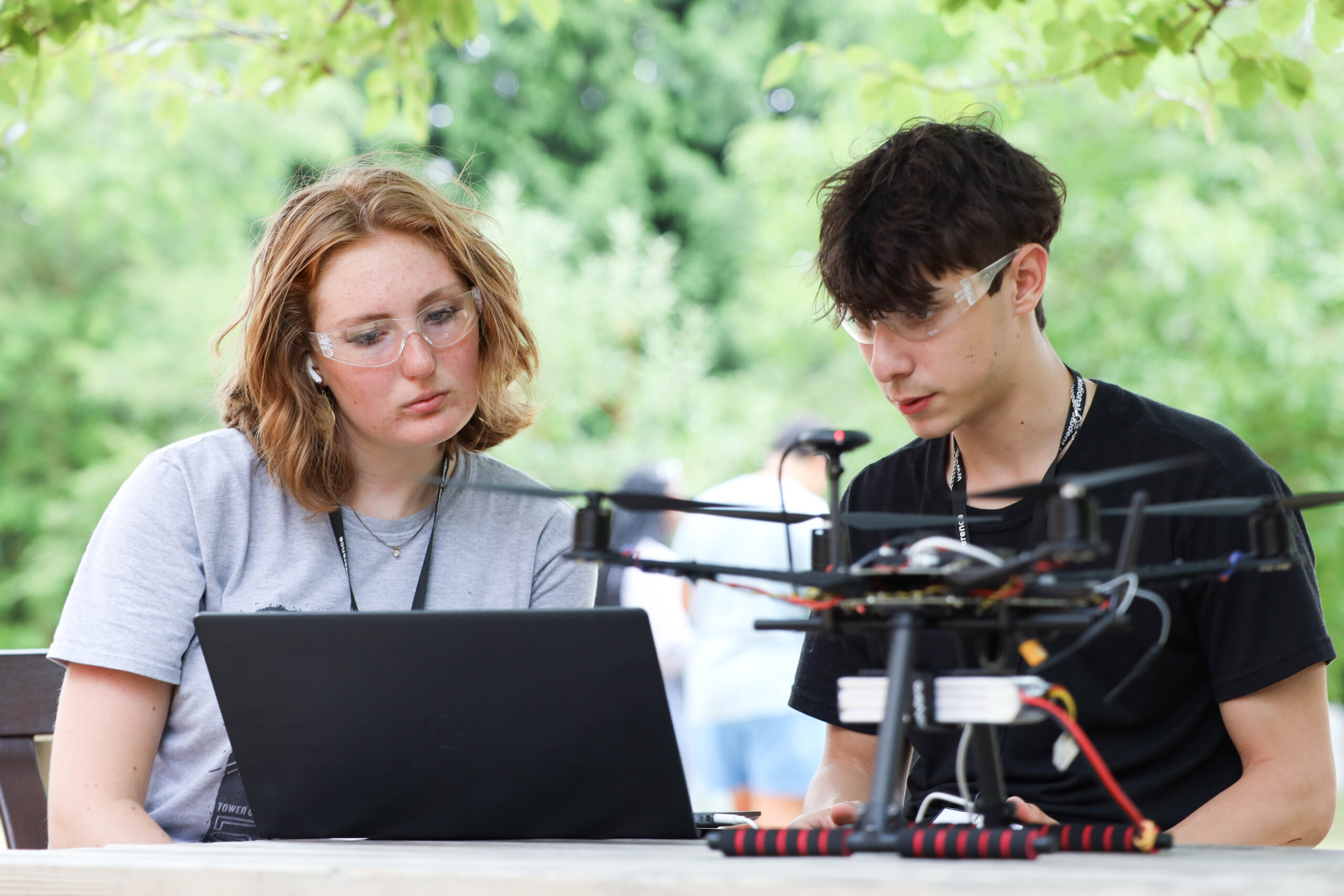
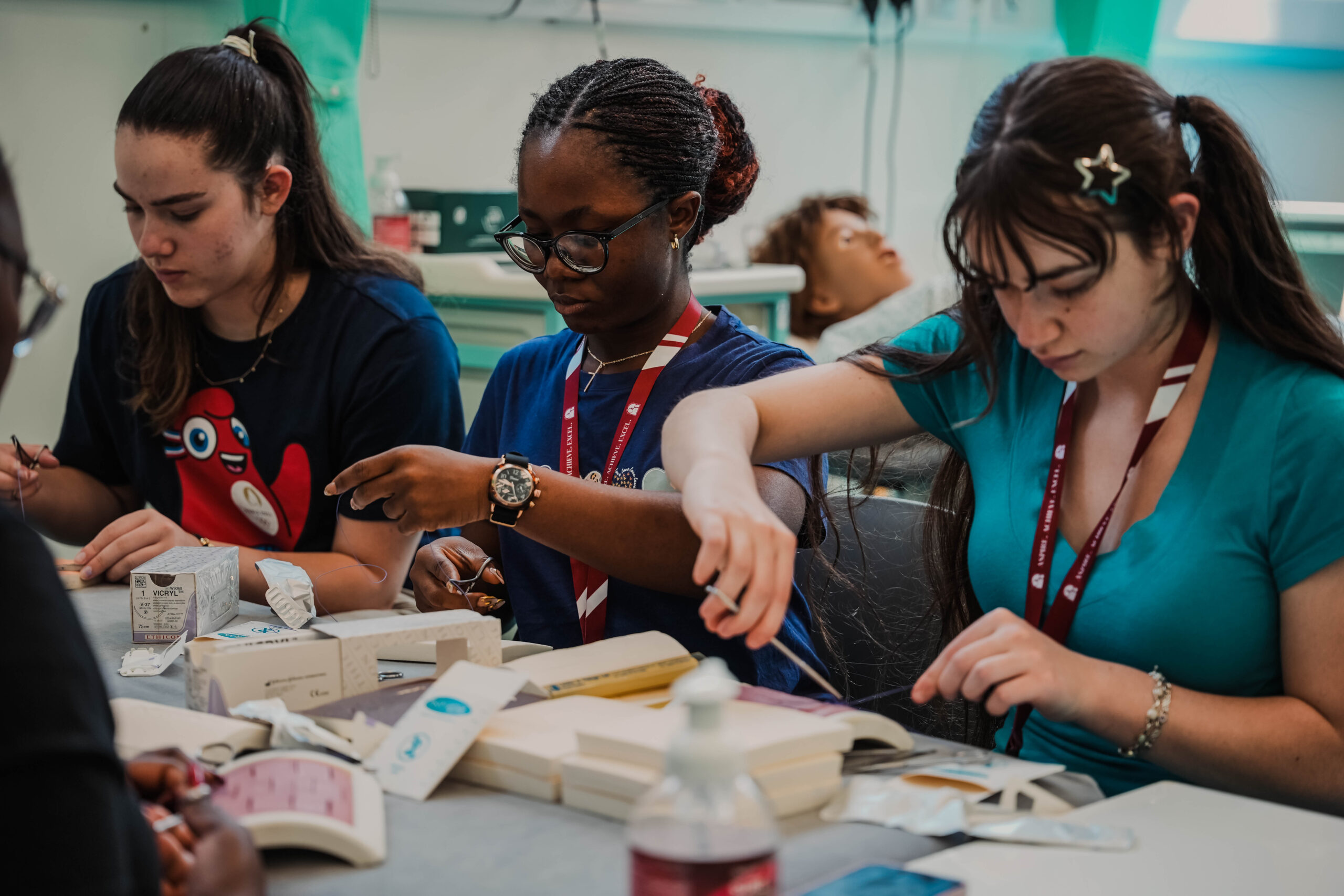
That’s how OSP’s two-week summer programme in Oxford is designed. Scholars aged 14 to 18 spend the fortnight on one subject, such as medicine, law, business or engineering, learning in small-group seminars and masterclasses before putting it to work in a capstone project.
The 2027 programme runs from 1 to 14 August, and the fees page sets out what the fee covers.

Is Oxford summer school safe?
Safety is usually the first thing parents ask about, and a well-run residential programme for under-18s should answer these questions without hesitation.
- Staff checks. In the UK, adults working with children should hold an enhanced DBS check, which covers criminal records and relevant local police information. Ask whether every member of staff has one, not just the teachers.
- Supervision ratios. Ask for the ratio overnight and on trips. OSP’s policy for under-18s in residential accommodation sets a minimum of one adult per 15 students overnight and during group activities, with residential staff sleeping in the same building.
- Clear check-in systems. Staff should always know where students are. Look for a simple sign-out system, evening check-in and headcounts on trips.
- Rooms. Single rooms should be the norm.
- Medical cover. Find out who’s trained in first aid, who’s on call at night and when you’ll get a phone call.
- Independent inspection. Accreditation means someone outside the company has looked. British Council accreditation, for example, involves external inspection of providers teaching English in the UK.
The colleges add their own layer: gated entry, porters’ lodges staffed around the clock and CCTV in shared areas.
What does a typical day look like?
Most residential Oxford programmes follow a similar pattern:
- Morning: seminars or tutorials in your child’s chosen subject
- Afternoon: workshops, project work or a visit
- Evening: a social activity, a talk or free time in college
- Night: check-in, then quiet hours until breakfast
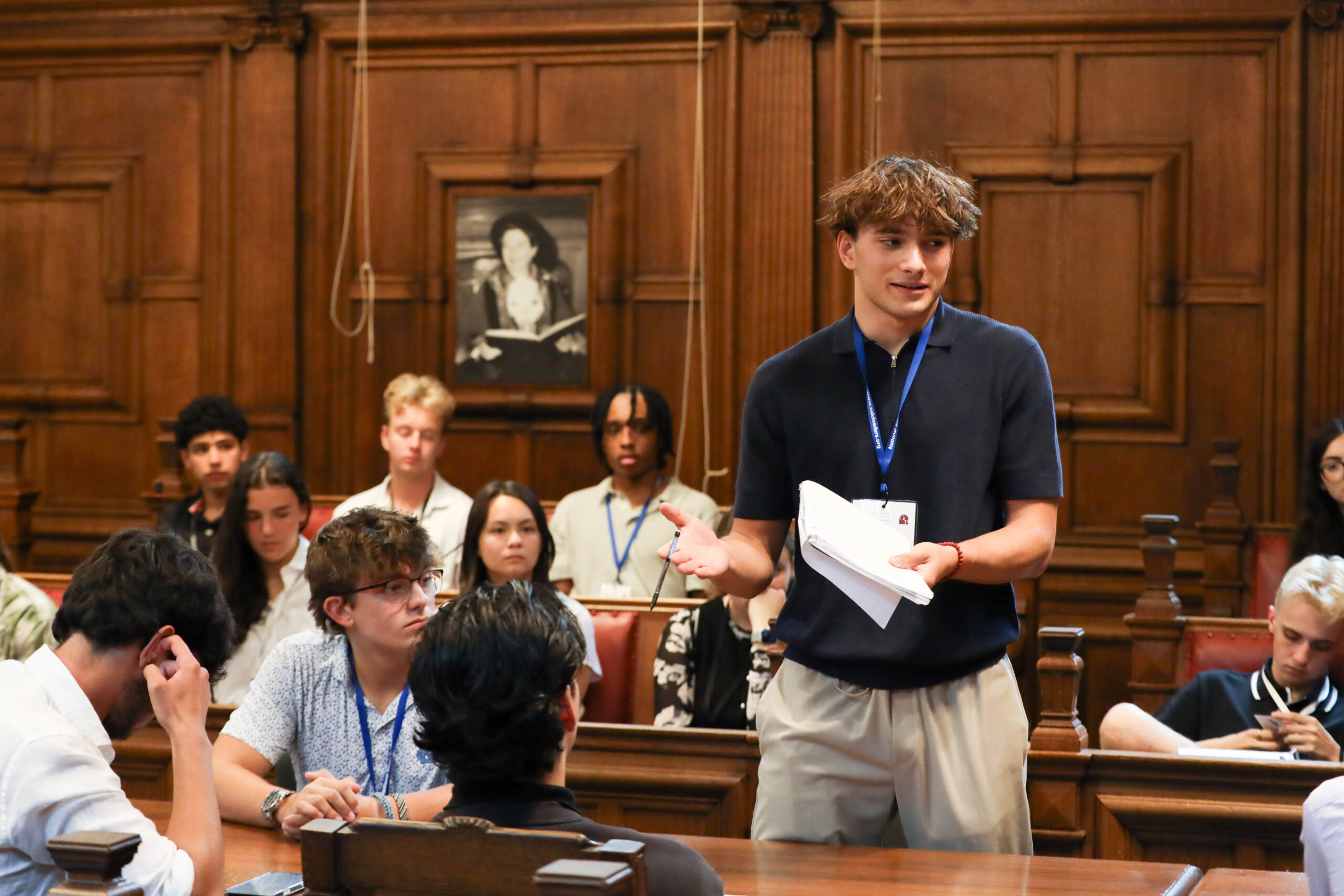
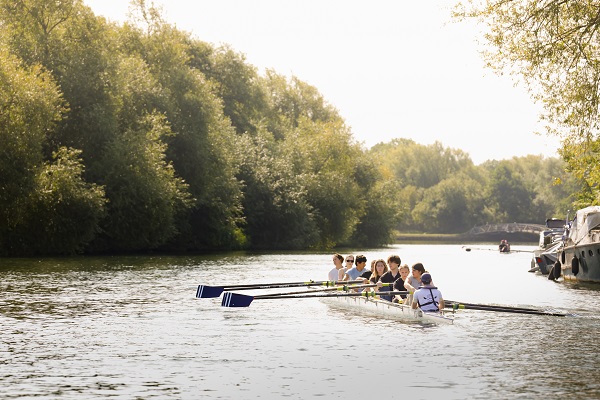
Trips fill some afternoons and the weekend. At OSP that means punting on the Cherwell, rowing on the Thames, a debate at the Oxford Union, a visit to Blenheim Palace and a day in London. The fortnight ends with a graduation ceremony that parents are invited to.
Most meals are included and eaten in college dining halls. Dietary needs, from vegetarian and vegan to halal and gluten-free, are collected before arrival so the kitchens are ready.
How independent will my child be?
Students manage their own time between sessions, keep their rooms in order and live alongside people from different backgrounds.
But they aren’t on their own. Staff know where they are, curfews are enforced and someone senior is on call at night. If your child has never been away from home, ask the provider how they help homesick students in the first few days. A good one will have a clear answer.
Still weighing it up? Talk to OSP's admissions team
Every family’s questions are different. If you’d like to talk through your child’s subject, how supervision works or the 2027 dates, talk to the admissions team. They usually reply within 24 hours, and there’s no deposit until your child is accepted.